

Understanding Chest Pain: When to Worry and When It Could Be a Heart Attack
Learn which chest-pain symptoms may signal a heart attack, when to call 112 or 999, and when recurring or brief pain needs medical assessment.
By Dr Heeraj Bulluck, MBBS, PhD, FRCP, FESC
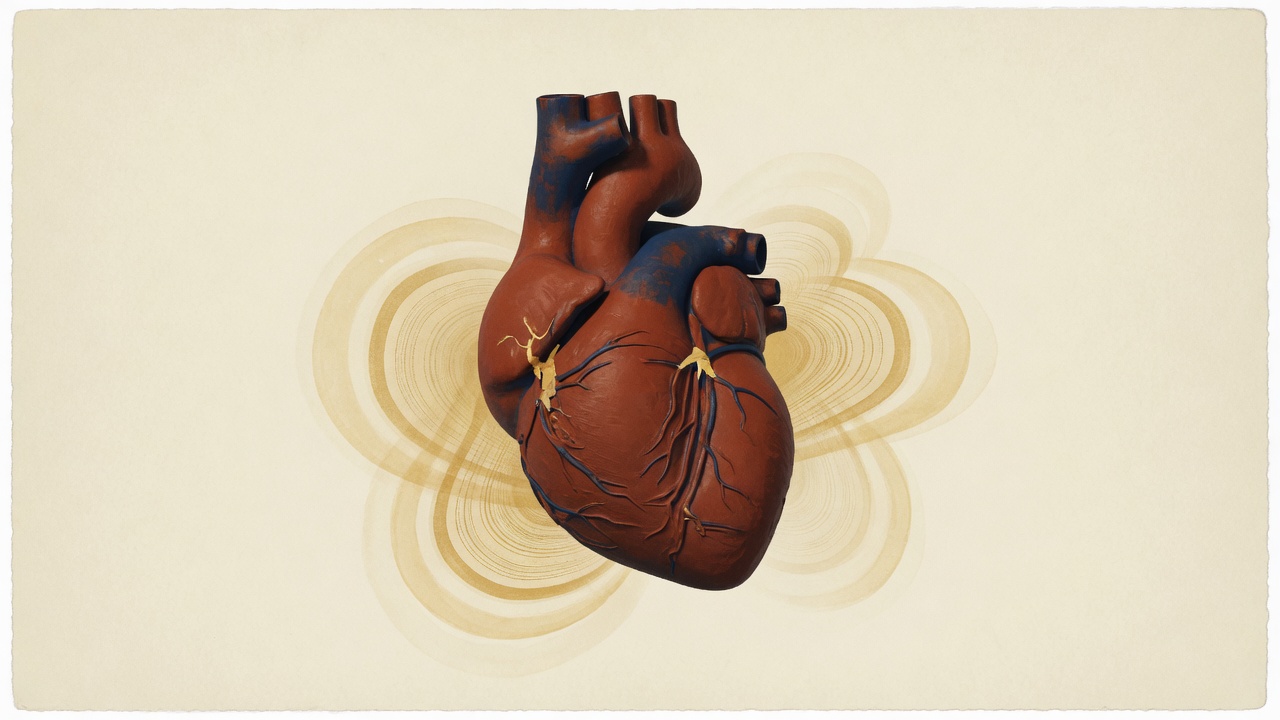
Chest pain can be frightening. It may come from the heart, lungs, digestive system, chest wall or even a panic attack. Many causes are not dangerous, but it is not always possible to tell the difference safely at home.
The most important question is not “What is the most likely cause?” It is “Could this be an emergency?”
Call 112 or 999 now if chest pain could be a heart attack
Call 112 or 999 and ask for an ambulance if you have sudden chest pain or discomfort that:
- feels like pressure, heaviness, squeezing, tightness or burning
- does not settle, or lasts longer than a few minutes
- spreads to either arm, the shoulders, neck, jaw, back or upper abdomen
- occurs with breathlessness, sweating, nausea, vomiting, weakness or light-headedness
- is new, severe or distinctly different from symptoms you have experienced before
You do not need to experience every symptom. Some people describe discomfort rather than pain. Others notice breathlessness, extreme tiredness, nausea or sweating with little chest pain.
Women, older people and people with diabetes may have less typical symptoms. If the symptoms are concerning, do not wait for them to become “classic”.
Do not drive yourself to hospital. An ambulance team can assess you, begin treatment and alert the hospital while you are on the way.
What if I already have angina?
If you have diagnosed angina, follow the action plan given by your cardiology team. Stop what you are doing and rest. Use your glyceryl trinitrate, or GTN, exactly as prescribed.
Call an ambulance if the pain does not settle according to your action plan, or if it is:
- happening at rest
- lasting longer than usual
- becoming more frequent or severe
- responding less well to GTN
- accompanied by breathlessness, sweating, nausea or faintness
These changes can indicate unstable angina or a heart attack. Do not repeatedly use GTN to delay getting emergency help.
Does a heart attack always feel like severe pain?
No. Heart-attack symptoms vary. Some people describe a heavy weight on the chest, while others feel tightness, burning or indigestion. The discomfort may be mild at first or come and go.
Possible associated symptoms include:
- shortness of breath
- a cold sweat
- nausea or vomiting
- dizziness or faintness
- unusual weakness or exhaustion
- a feeling that something is seriously wrong
Symptoms alone cannot confirm a heart attack. An ECG, blood tests such as troponin and sometimes imaging are needed. A normal-looking person can still be having a heart attack.
What else can cause chest pain?
Many conditions can cause pain or discomfort in the chest. Common examples include:
Muscle or rib pain
This may begin after lifting, coughing, exercise or an injury. It can be tender when you press the area or may worsen with a particular movement. However, tenderness does not always exclude a heart problem.
Indigestion or acid reflux
Reflux may cause burning behind the breastbone, an acidic taste, belching or discomfort after food. Heart pain can also feel like indigestion, so new or unexplained symptoms still require caution.
Anxiety or a panic attack
Anxiety can produce real chest tightness, rapid breathing, tingling, dizziness and a racing heartbeat. These symptoms can closely resemble a heart problem. It is safer to rule out an urgent physical cause before assuming anxiety is responsible.
Chest infection or inflammation around the lungs
Pain may be sharper when you breathe or cough and may occur with fever, phlegm or breathlessness.
Inflammation around the heart
Pericarditis often causes sharp pain that changes with breathing or position. It still requires medical assessment.
A blood clot in the lung or a problem with the aorta
These are less common but potentially life-threatening causes. Sudden chest pain with unexplained breathlessness, coughing blood, collapse, neurological symptoms or a tearing sensation needs emergency help.
This list is not a diagnostic tool. Different conditions overlap, and more than one problem can be present.
When should non-emergency chest pain be assessed?
Arrange prompt medical advice if pain:
- comes and goes, particularly with walking, hills, cold weather or emotional stress
- repeatedly occurs after meals or at night
- is new even if it settles quickly
- is associated with palpitations or reduced exercise capacity
- concerns you despite not having emergency features
Pain that appears during exertion and improves with rest may be stable angina. It should not be ignored, because angina can be a sign of reduced blood flow to the heart.
What information will help the clinician?
If it is safe to do so, note:
- when the symptoms began
- what you were doing at the time
- where the discomfort started and whether it spread
- how it felt and how severe it was
- how long it lasted
- what made it better or worse
- any breathlessness, sweating, nausea, dizziness or palpitations
- your medicines and cardiovascular risk factors
Do not delay calling an ambulance to record these details.
The safest rule
If you think you may be having a heart attack, call 112 or 999. Paramedics would rather assess you and find that the cause is not dangerous than arrive too late to prevent heart damage.
If the pain has passed but is new, recurring or unexplained, arrange medical assessment. A symptom does not have to be severe to deserve attention.
Medical note: This article provides general education and is not a diagnosis or an individual treatment plan. If you have current concerning chest pain, call 112 or 999.
Sources
Also published on Medium and LinkedIn.
Have questions about your heart health?
Dr Heeraj Bulluck offers thorough assessment and clear explanations at Beacon Hospital, Dublin.