

How to Prevent Another Heart Attack: The Treatments and Targets That Matter Most
Learn how medicines, cholesterol and blood-pressure control, cardiac rehabilitation, exercise, diet and stopping smoking reduce repeat heart-attack risk.
By Dr Heeraj Bulluck, MBBS, PhD, FRCP, FESC
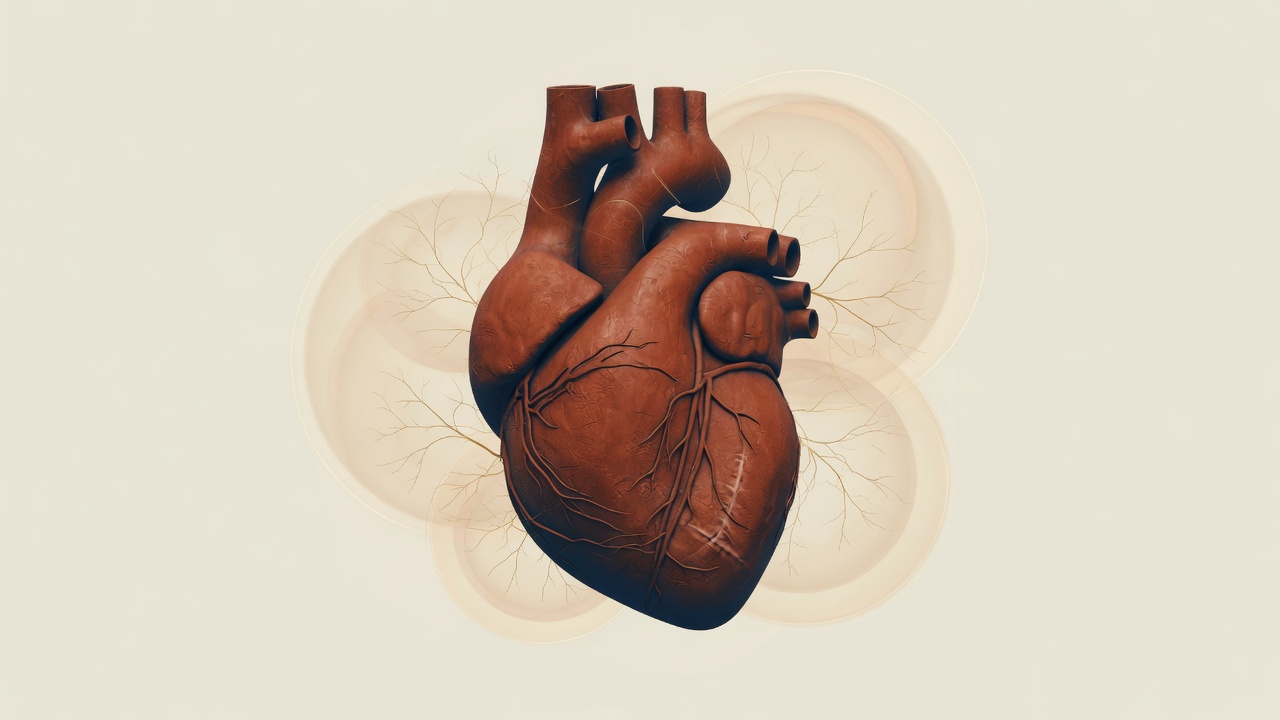
After a heart attack, many people ask the same question: “What can I do to stop this happening again?”
There is no single guarantee, but the combination of prescribed medication, cardiac rehabilitation and control of key risk factors can substantially reduce future risk. This is called secondary prevention because it aims to prevent another event in someone who already has cardiovascular disease.
The most effective plan is usually not a dramatic short-term diet or a collection of supplements. It is a small number of proven treatments followed consistently over time.
1. Take prescribed medicines consistently
Medicines after a heart attack do different jobs. One tablet cannot replace the others.
Antiplatelet medicines
These reduce the ability of platelets to form an unwanted clot. Many patients receive aspirin plus a second antiplatelet medicine for a defined period after a heart attack or stent, followed by a longer-term plan.
Do not stop an antiplatelet because of bruising, a dental procedure or an upcoming operation without advice from the relevant prescriber. Stopping too early after a stent can be dangerous. Seek prompt advice for significant bleeding, black stools, vomiting blood or a head injury.
Cholesterol-lowering treatment
Statins lower LDL cholesterol and reduce the risk of future cardiovascular events. They are prescribed after a heart attack even when the starting cholesterol did not appear particularly high, because the aim is risk reduction rather than merely moving a number into the laboratory's “normal” range.
If LDL cholesterol remains above the agreed target, options may include increasing tolerated statin treatment or adding another medicine such as ezetimibe, a PCSK9-targeting treatment or inclisiran where clinically appropriate and available.
Muscle symptoms deserve a proper assessment, but do not assume every ache is caused by a statin. Your clinician can look for other causes, review interactions and find the highest tolerated regimen.
Medicines that protect the heart and circulation
Depending on your heart function and other conditions, treatment may include a beta-blocker, an ACE inhibitor or angiotensin receptor blocker, and medicines used when heart pumping function is reduced. These can control blood pressure, reduce workload or improve outcomes in selected patients.
Your medicine list should be reviewed rather than copied indefinitely without explanation. Ask what each treatment is for, how long it is expected to continue and which blood tests or measurements it requires.
2. Know your cholesterol result and target
LDL cholesterol is a major treatment target after a heart attack. Different healthcare systems use different thresholds and escalation pathways. European guidance often pursues a lower LDL target for very-high-risk patients than the current NICE cost-effectiveness threshold used in England and Wales.
The most useful patient questions are:
- What is my latest LDL or non-HDL cholesterol?
- What target are we using and why?
- Has it been rechecked since treatment started or changed?
- If it remains above target, what is the next step?
- Am I taking the highest treatment intensity I can tolerate?
Do not be reassured merely because a result is marked “within range”. The laboratory reference range is not necessarily the treatment target for someone who has already had a heart attack.
3. Control blood pressure and diabetes
High blood pressure increases strain on the heart and arteries. The best target depends on age, frailty, kidney function, diabetes, side effects and the guideline being followed. A lower result is not helpful if it causes falls, fainting or kidney problems, so treatment should be individualised.
If you have been asked to check blood pressure at home:
- use a validated upper-arm monitor
- sit quietly before measuring
- use the correct cuff size
- record readings rather than reacting to one isolated number
- bring the monitor or record to appointments
Diabetes also increases cardiovascular risk. Good management may involve nutrition, activity, weight management and medicines with proven cardiovascular benefit in appropriate patients. Ask how often HbA1c, kidney function and urine protein should be assessed.
4. Attend cardiac rehabilitation
Cardiac rehabilitation is one of the highest-value parts of recovery. It combines supervised or supported exercise with education, risk-factor management and psychological support.
It can help you:
- regain fitness safely
- understand symptoms and medicines
- rebuild confidence after a frightening event
- improve blood pressure, diabetes and activity habits
- return to work and valued activities
- address anxiety, low mood and smoking
If travel, work, caring responsibilities or disability make attendance difficult, ask about home-based, community or remote options. Do not assume declining one format means declining rehabilitation altogether.
5. Stop smoking and avoid tobacco exposure
If you smoke, stopping is among the most important actions you can take. Support and medication are more effective than relying on willpower alone.
Ask your GP, pharmacist or cardiac rehabilitation team about a structured stop-smoking service. A lapse is not proof that you cannot stop. It is information that the plan needs more support.
Avoiding second-hand smoke also matters. If other household members smoke, a shared plan can make change easier.
6. Build activity into ordinary life
Regular physical activity improves fitness, blood pressure, insulin sensitivity, mood and quality of life. After a heart attack, the starting point should come from your discharge and cardiac rehabilitation plan.
Increase activity gradually. Walking is often a practical foundation, with aerobic and muscle-strengthening activity added when appropriate. The best programme is one you can sustain and that accounts for arthritis, lung disease, disability and personal preference.
Stop and follow your emergency or angina plan if activity causes concerning chest discomfort, marked breathlessness, faintness or other warning symptoms. New symptoms should prompt review rather than permanent avoidance of activity.
7. Choose a sustainable eating pattern
A Mediterranean-style pattern is a useful model. It generally emphasises:
- vegetables and fruit
- beans, lentils and other pulses
- whole grains
- nuts and seeds in suitable portions
- fish and other minimally processed protein sources
- olive or rapeseed oil in place of saturated fats
- less processed meat, refined carbohydrate, excess salt and highly processed food
This is a pattern, not a collection of “superfoods”. It should be adapted to culture, budget, diabetes, kidney disease, allergies and weight goals.
Routine vitamin, antioxidant or fish-oil supplements do not replace proven secondary-prevention treatment. Discuss supplements with a pharmacist or clinician because some interact with antiplatelet or anticoagulant medicines.
8. Address sleep, mood and social support
Anxiety and low mood can make it harder to exercise, sleep or take medicines consistently. They are also common after a heart attack and deserve treatment in their own right.
Tell your GP or rehabilitation team if distress persists, interferes with daily life or causes you to avoid all activity. Ask about possible sleep apnoea if you snore heavily, stop breathing during sleep or experience marked daytime sleepiness.
Family support can help, but overprotection may reduce confidence. Invite a partner or relative to a rehabilitation or review appointment if you want them to understand the plan.
What about alcohol?
Alcohol is not a treatment for heart disease. If you do not drink, there is no cardiovascular reason to start. If you do drink, follow current low-risk guidance and ask whether alcohol interacts with your medicines, blood pressure, rhythm, liver health or triglycerides.
What should be reviewed during the first year?
A useful secondary-prevention review considers:
- recurrent chest pain, breathlessness or palpitations
- medicine adherence, side effects and planned stop dates
- LDL or non-HDL cholesterol response
- blood pressure
- diabetes status and HbA1c where relevant
- kidney function and electrolytes for medicines that require monitoring
- heart pumping function if reassessment is indicated
- smoking status
- cardiac rehabilitation participation
- activity, weight, diet, sleep and mental wellbeing
Bring your actual medicine list and recent results. “Everything was fine” is less useful than knowing the values and the agreed targets.
A simple priority order
If the entire plan feels overwhelming, begin with five actions:
- Take prescribed medicines and clarify anything you do not understand.
- Attend cardiac rehabilitation.
- Stop smoking with support.
- Know your cholesterol, blood-pressure and diabetes plan.
- Build sustainable activity and heart-healthy food choices into normal life.
Consistency matters more than perfection. Missing one walk or eating one less healthy meal does not undo the plan. Return to the next helpful action.
When should I seek urgent help?
Call 112 or 999 for possible heart-attack symptoms, including persistent chest pressure or discomfort, especially with spreading pain, breathlessness, sweating, nausea, faintness or collapse.
Arrange medical review for a change in angina pattern, worsening exercise capacity, new swelling, fainting, sustained palpitations, significant bleeding or medicine side effects. Do not wait for a routine annual appointment if symptoms are changing.
The central message
Preventing another heart attack is a partnership. Your clinicians can prescribe and monitor treatment, but the plan works best when you understand its purpose and can follow it in everyday life. Ask for clear targets, written instructions and help with barriers rather than trying to manage uncertainty alone.
Medical note: Secondary prevention must be personalised. Do not start, stop or change aspirin, antiplatelet, cholesterol or blood-pressure treatment without advice from your clinician.
Sources
- NICE NG185: Acute coronary syndromes, secondary prevention and rehabilitation
- NICE NG238: Cardiovascular disease risk assessment and lipid modification
- ESC 2024 Guidelines for chronic coronary syndromes
- HSE: Recovering from a heart attack
- American Heart Association: Heart Attack Recovery Questions and Answers
Also published on Medium and LinkedIn.
Have questions about your heart health?
Dr Heeraj Bulluck offers thorough assessment and clear explanations at Beacon Hospital, Dublin.