

Microvascular Angina and INOCA: Real Heart Pain Without a Major Blockage
Microvascular angina can cause genuine chest pain despite no major blocked artery. Learn about INOCA symptoms, diagnosis, treatment and prognosis.
By Dr Heeraj Bulluck, MBBS, PhD, FRCP, FESC
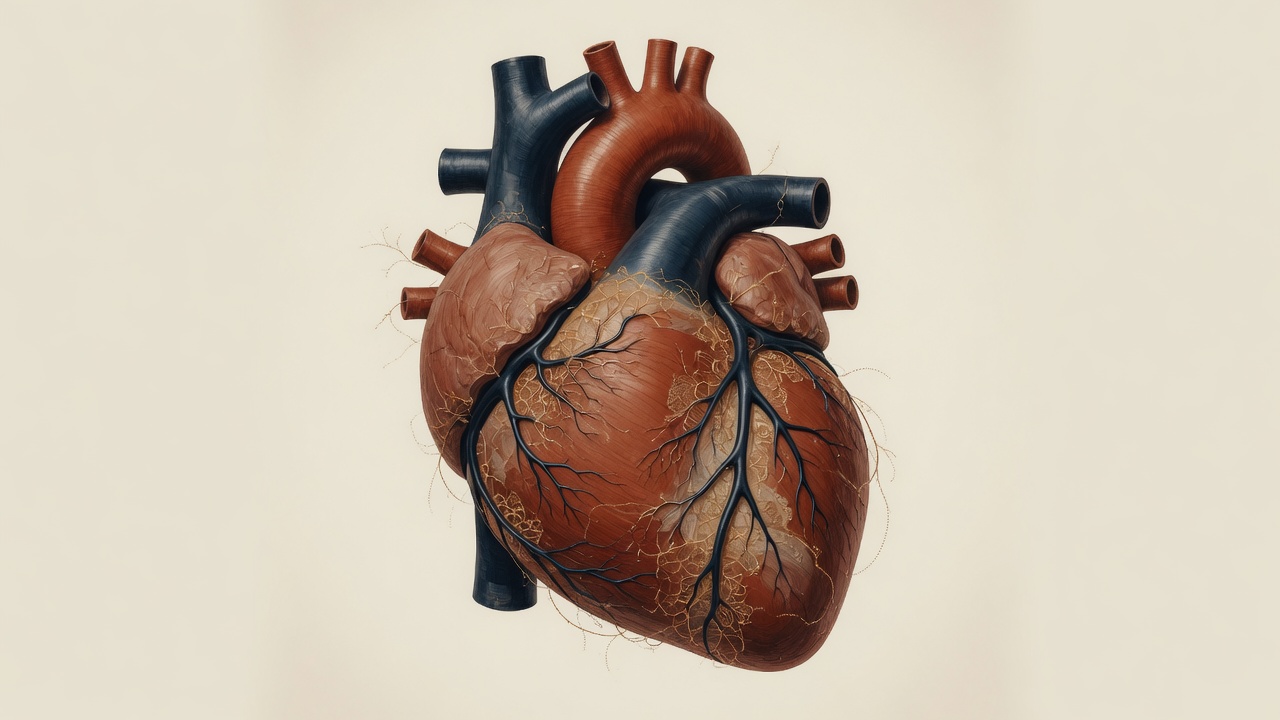
It is possible to have genuine heart-related chest pain even when an angiogram shows no major blocked coronary artery. One possible reason is microvascular angina, in which the tiny blood vessels within the heart muscle do not regulate blood flow normally.
This is not “imagined pain”, and a normal-looking large artery does not mean that nothing is wrong. Getting the correct diagnosis matters because different mechanisms may need different treatment.
What do ANOCA and INOCA mean?
These abbreviations describe related clinical situations:
- ANOCA means angina with non-obstructive coronary arteries.
- INOCA means ischaemia with non-obstructive coronary arteries. Ischaemia means that part of the heart muscle is not receiving enough blood and oxygen for its needs.
They are umbrella terms rather than single diseases. Possible underlying mechanisms include:
- coronary microvascular dysfunction, affecting the smallest vessels
- spasm of the small vessels
- spasm of a larger coronary artery, known as vasospastic angina
- more than one mechanism occurring together
Some people with non-obstructive arteries have a non-cardiac cause of symptoms. The purpose of assessment is to identify the most likely mechanism rather than make assumptions based on one test.
What is microvascular angina?
The coronary microcirculation is a network of tiny vessels that cannot be seen fully on a routine angiogram. These vessels should widen when the heart needs more blood. In coronary microvascular dysfunction, that response may be inadequate, or the vessels may constrict abnormally.
The result can be angina or breathlessness during activity, stress or sometimes at rest. Because the large coronary arteries may appear unobstructed, the diagnosis has historically been missed or delayed.
What symptoms can it cause?
Symptoms vary and may include:
- pressure, tightness, heaviness, burning or pain in the chest
- discomfort in the arm, shoulder, jaw, neck, back or upper abdomen
- breathlessness
- reduced exercise capacity
- unusual tiredness
- symptoms during physical activity, emotional stress or after activity has stopped
- symptoms at rest or attacks that last longer than typical stable angina
Symptoms alone cannot distinguish microvascular angina from obstructive coronary disease, coronary spasm or a non-cardiac problem. New or severe symptoms still need appropriate urgent assessment.
Is microvascular angina more common in women?
It is recognised particularly often in women, including women who have persistent symptoms despite non-obstructive coronary arteries. Men can also be affected.
Historically, chest pain in people without a large blocked artery was sometimes dismissed as anxiety or indigestion. Anxiety can coexist with any chronic symptom, but it should not be used to explain away persistent exertional or otherwise concerning chest pain without adequate assessment.
Why can routine tests be normal?
A resting ECG records the heart for a short period and may be normal between episodes. Standard coronary angiography is very good at showing the larger coronary arteries but does not directly show how well the smallest vessels regulate blood flow.
Some conventional stress tests may also be less sensitive to diffuse or microvascular patterns of reduced blood flow. A “normal” result must be interpreted in the context of the exact test, the symptoms and the person's overall risk.
How is microvascular angina diagnosed?
Assessment usually begins by excluding an acute heart problem and considering obstructive coronary artery disease. Depending on the situation, tests may include:
- ECG and appropriate blood tests
- echocardiography
- CT coronary angiography
- stress echocardiography, nuclear perfusion imaging or cardiac magnetic resonance imaging
- invasive coronary angiography
- coronary functional testing to assess blood-flow reserve and whether the vessels spasm abnormally
No single test is right for everyone. The most useful investigation depends on your symptoms, previous results, other conditions and local expertise.
Current European guidance emphasises identifying the underlying “endotype”, or mechanism, in people with persistent suspected ANOCA or INOCA. This can help move treatment beyond trial and error.
Is microvascular angina dangerous?
It was once considered harmless. We now know that coronary microvascular dysfunction and INOCA can be associated with impaired quality of life, repeated hospital visits and an increased risk of cardiovascular events in some patients.
That does not mean every person has the same level of risk. Prognosis depends on the underlying mechanism, risk factors, heart function and other conditions. Ask your clinician what your results mean for you rather than relying on a general label.
How is it treated?
Treatment has three broad aims: controlling symptoms, addressing the underlying vascular mechanism and reducing cardiovascular risk.
Treatment tailored to the mechanism
Medicines used may include beta-blockers, calcium-channel blockers, nitrates and other anti-anginal therapies. A treatment that helps one mechanism may be less useful for another. For example, treatment priorities can differ between impaired microvascular dilation and coronary spasm.
This is why a precise diagnosis can be valuable. Report whether a medicine changes the frequency, duration or severity of attacks and whether side effects limit its usefulness.
Cardiovascular risk-factor treatment
Your clinician may address cholesterol, blood pressure, diabetes, smoking and other risk factors. Statins, ACE inhibitors or other medicines may be appropriate for some patients, depending on their broader cardiovascular profile.
Do not begin aspirin or alter prescribed treatment without advice. The correct preventive treatment is individual and is not determined by symptoms alone.
Activity, pacing and rehabilitation
Regular, appropriately prescribed physical activity can improve fitness and vascular health. Some people need a gradual programme because repeated symptoms have led them to avoid activity.
Cardiac rehabilitation, where available and appropriate, can provide supervised exercise, education and psychological support. Sleep, stress management and treatment of other conditions can also influence symptom burden, although they do not imply that the disease is psychological.
What can I do before my next appointment?
Keep a short symptom diary recording:
- the trigger and time of day
- duration and character of the discomfort
- associated breathlessness, palpitations or dizziness
- response to rest and prescribed medication
- menstrual or hormonal context if it appears relevant
- the impact on work, caring responsibilities, exercise and sleep
Bring a list of previous tests and medicines, including treatments that did not help. Useful questions include:
- Could my symptoms represent ANOCA, INOCA or coronary spasm?
- What did my previous angiogram or CT scan rule out, and what did it not assess?
- Would a test of coronary function change my treatment?
- What should I do during an episode?
- Which changes should trigger urgent help?
- What cardiovascular risk factors should we address?
When should I seek urgent help?
Do not assume new chest pain is “just microvascular angina”. Call 112 or 999 for severe, persistent or distinctly changed chest discomfort, especially if it occurs with breathlessness, sweating, nausea, faintness or pain spreading to the arms, jaw, back or abdomen.
If established symptoms are becoming more frequent, prolonged or limiting, arrange a review even if they settle.
The central message
Microvascular angina is a genuine cardiovascular condition. A non-obstructive angiogram can be reassuring about major blockages, but it is not always the end of the diagnostic journey. Persistent symptoms deserve a structured assessment, an explanation you understand and treatment matched as closely as possible to the underlying mechanism.
Medical note: This article is educational and cannot determine the cause of an individual's chest pain. Call 112 or 999 for possible heart-attack symptoms.
Sources
Also published on Medium and LinkedIn.
Have questions about your heart health?
Dr Heeraj Bulluck offers thorough assessment and clear explanations at Beacon Hospital, Dublin.