

The First 12 Weeks After a Heart Attack: A Practical Recovery Guide
A practical guide to heart-attack recovery, including tiredness, exercise, cardiac rehabilitation, medicines, driving, work, sex and warning signs.
By Dr Heeraj Bulluck, MBBS, PhD, FRCP, FESC
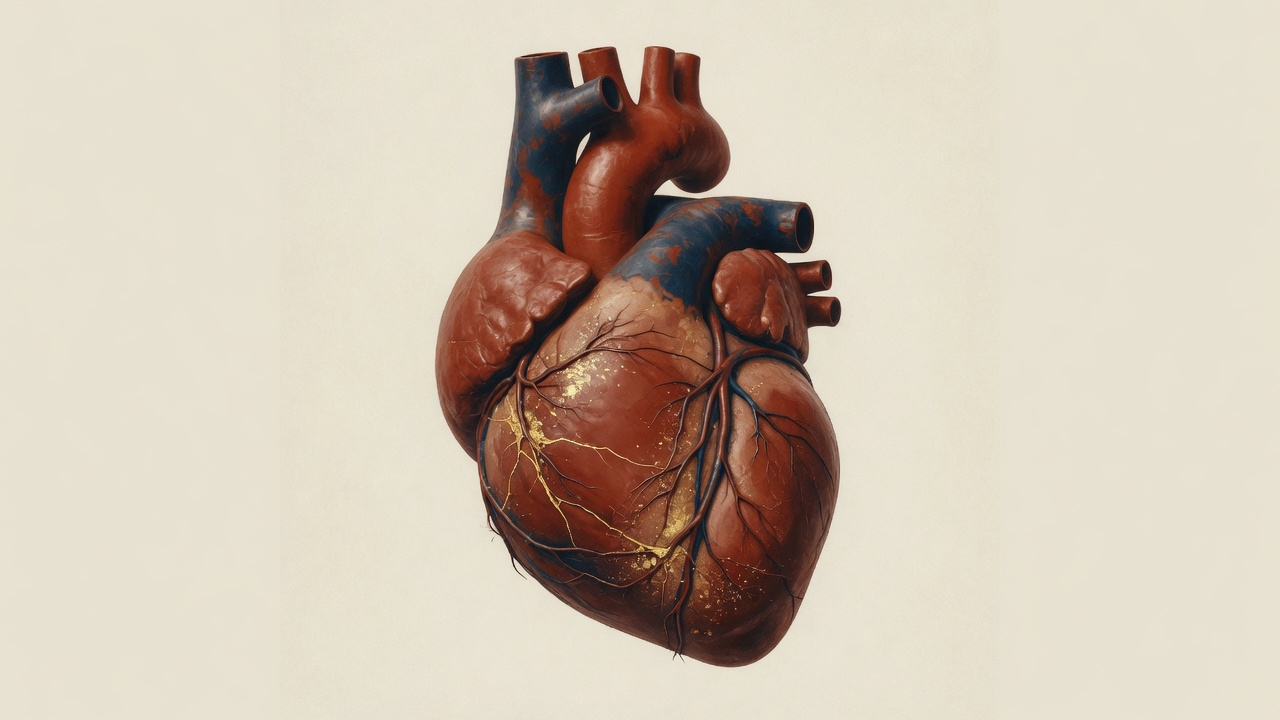
Leaving hospital after a heart attack often brings mixed emotions. You may feel relieved to be home but uncertain about every sensation, activity and medicine. Recovery is not simply a matter of resting until the heart is “better”. It is a gradual return to activity combined with treatment to reduce the chance of another cardiovascular event.
Your recovery plan must reflect the type of heart attack, treatment received, heart function, complications and your general health. Use this guide to understand the usual priorities, then follow the individual instructions from your hospital and cardiac rehabilitation team.
Call 112 or 999 for possible heart-attack symptoms
Call emergency services for new, severe or persistent chest pressure, tightness or discomfort, particularly if it spreads to the arm, jaw, back or abdomen or occurs with breathlessness, sweating, nausea, faintness or collapse.
Do not assume that pain is a normal part of recovery. Follow your prescribed angina or GTN action plan if you have one, but do not use it to delay emergency help.
What is normal after a heart attack?
Recovery differs between people. In the early days and weeks, it is common to experience:
- tiredness and a need for more sleep
- reduced confidence in physical activity
- mild discomfort around an angioplasty access site
- bruising from injections or blood-thinning medication
- changes in appetite or sleep
- anxiety, low mood, irritability or fear of another event
- awareness of heartbeats or occasional brief sensations
Common does not automatically mean harmless. Contact your healthcare team if symptoms are persistent, worsening or difficult to interpret. Marked breathlessness, fainting, sustained palpitations, increasing swelling, significant bleeding or recurrent chest discomfort need prompt assessment.
The first few days at home
Aim for a calm routine rather than strict bed rest. Take prescribed medicines, eat regular meals, complete gentle personal care and take short walks if this is part of your discharge plan.
It helps to:
- keep your discharge summary and medicine list accessible
- know whom to contact with non-emergency questions
- arrange follow-up blood tests or appointments
- check the angioplasty wound as instructed
- accept practical help without becoming completely inactive
- record symptoms and questions for your next review
If you were given restrictions after a wrist or groin procedure, follow them carefully. Contact the treating service for increasing swelling, bleeding, severe pain, colour change or loss of sensation in the limb.
Why cardiac rehabilitation matters
Cardiac rehabilitation is a structured programme of exercise, education and support following a heart attack or certain heart procedures. It can help you rebuild fitness safely, understand medicines, improve risk factors and regain confidence.
It is not only for people who are very unfit or who had a severe heart attack. Programmes can be adapted for age, disability and other health conditions. Options may include hospital, community, home-based or hybrid sessions.
If you have not been contacted, ask your hospital, GP or cardiology team whether a referral has been made. In Irish and UK guidance, rehabilitation should begin early rather than being left until you already feel fully recovered.
How quickly should I increase activity?
The correct pace depends on your hospital course and heart function. In uncomplicated recovery, activity is usually increased gradually.
A simple progression might move from short, comfortable walks around the home to outdoor walking, then longer daily walks and structured rehabilitation. The aim is not to test your maximum ability. You should be able to recover comfortably and repeat the activity without a major increase in symptoms.
Stop and seek advice if activity causes chest discomfort, disproportionate breathlessness, dizziness, faintness or palpitations that do not settle. If symptoms suggest another heart attack, call 112 or 999.
Avoid sudden strenuous exercise, heavy lifting and competitive sport until you have been assessed. Your cardiac rehabilitation team can help define safe intensity using symptoms, heart rate and perceived exertion.
Why am I so tired?
A heart attack, hospital admission and disrupted sleep can all cause fatigue. Medicines, anaemia, low blood pressure, reduced heart function, anxiety and depression may also contribute.
Balance activity with planned rest, but try not to spend the whole day in bed or a chair unless advised. A regular sleep schedule and gradual activity often help. Tell your clinician if fatigue is severe, worsening or associated with breathlessness, dizziness, black stools, loss of appetite or low mood.
Do not stop a medicine because you suspect it is causing tiredness. Ask whether the dose, timing or treatment choice should be reviewed.
What medicines might I take?
Medicines after a heart attack commonly include:
- antiplatelet medicines to reduce clot formation
- a high-intensity statin or other cholesterol-lowering treatment
- a beta-blocker in appropriate patients
- an ACE inhibitor, angiotensin receptor blocker or related treatment
- GTN for chest discomfort when prescribed
- additional medicines when there is reduced heart function, diabetes, high blood pressure or another indication
Your list may differ. Some treatments are continued long term; others have a planned stop or review date. Make sure you know what each medicine is for, how to take it, which monitoring is needed and what to do if you miss a dose.
Do not stop antiplatelet treatment after a stent without urgent specialist advice. Sudden interruption can be dangerous. Report bleeding, black stools, vomiting blood, allergic symptoms or other significant adverse effects promptly.
When can I drive?
Driving restrictions depend on the event, treatment, symptoms, heart function and type of licence. Commercial drivers generally face different rules from private drivers.
Before driving again:
- obtain individual advice from your treating team
- check the current Irish medical-fitness-to-drive requirements
- inform your insurer if required
- do not drive if you have ongoing chest pain, fainting, uncontrolled rhythm symptoms or impaired concentration
Do not rely on a generic online timeline, because a complication or another diagnosis can change the rule.
When can I return to work?
Return to work is influenced by recovery, mental wellbeing and the physical and safety demands of the job. Desk work, heavy manual work, shift work, professional driving and safety-critical occupations require different planning.
A phased return may be helpful. Discuss workload, commuting and reasonable adjustments with your cardiology or rehabilitation team and occupational health service. Returning too early can be overwhelming, but an unnecessarily prolonged absence can also reduce confidence.
When is it safe to have sex?
Many people worry that sex will trigger another heart attack. After an uncomplicated recovery, sexual activity is usually possible when you feel comfortable and can manage comparable moderate physical activity without symptoms.
Ask your clinician if you have ongoing angina, breathlessness, unstable blood pressure or a complicated recovery. Medicines for erectile dysfunction must not be combined with nitrates such as GTN because the combination can cause a dangerous fall in blood pressure.
Can I travel or fly?
Travel may be reasonable after an uncomplicated recovery, but timing depends on the heart attack, heart function, treatment and destination. Consider access to medical care, travel insurance, mobility, medicines and the risk of a long journey.
Before travelling:
- ask your team whether the timing is appropriate
- carry medicines and a current list in hand luggage
- take more than the exact amount needed
- obtain suitable travel insurance and disclose the heart attack accurately
- keep emergency information accessible
Emotional recovery is part of cardiac recovery
Fear, sadness and loss of confidence are common after a heart attack. Some people repeatedly check their pulse or avoid all exertion. Others feel pressure to act as though nothing happened.
Cardiac rehabilitation, family support and accurate information can help. Speak to your GP or rehabilitation team if anxiety or low mood persists, disrupts sleep, prevents activity or makes it difficult to take care of yourself. Seek urgent mental-health help if you have thoughts of harming yourself.
A practical 12-week framework
Early phase
Understand medicines, attend wound and clinical reviews, begin gentle activity and connect with cardiac rehabilitation.
Building phase
Increase activity under guidance, identify risk factors, address smoking and diet, monitor blood pressure or diabetes where advised, and discuss driving and work.
Confidence phase
Build a sustainable exercise routine, review cholesterol and other treatment targets, return gradually to valued activities and make a long-term prevention plan.
The phases overlap. A setback does not mean failure, and recovery is rarely a perfectly straight line.
Questions to ask at follow-up
- How much damage did the heart attack cause?
- What is my heart's pumping function?
- What symptoms should trigger emergency help?
- What is the purpose and expected duration of each medicine?
- Has cardiac rehabilitation been arranged?
- When should cholesterol, kidney function and blood pressure be reviewed?
- When may I drive, work, fly and exercise more vigorously?
- What is my plan for preventing another heart attack?
The central message
Good recovery combines gradual activity, cardiac rehabilitation, consistent medication, emotional support and management of cardiovascular risk. You should not have to navigate the first few months alone. Ask for a clear plan and contact your healthcare team when symptoms or instructions are uncertain.
Medical note: This guide cannot account for complications or individual driving and activity restrictions. Follow your discharge plan and call 112 or 999 for possible heart-attack symptoms.
Sources
Also published on Medium and LinkedIn.
Have questions about your heart health?
Dr Heeraj Bulluck offers thorough assessment and clear explanations at Beacon Hospital, Dublin.